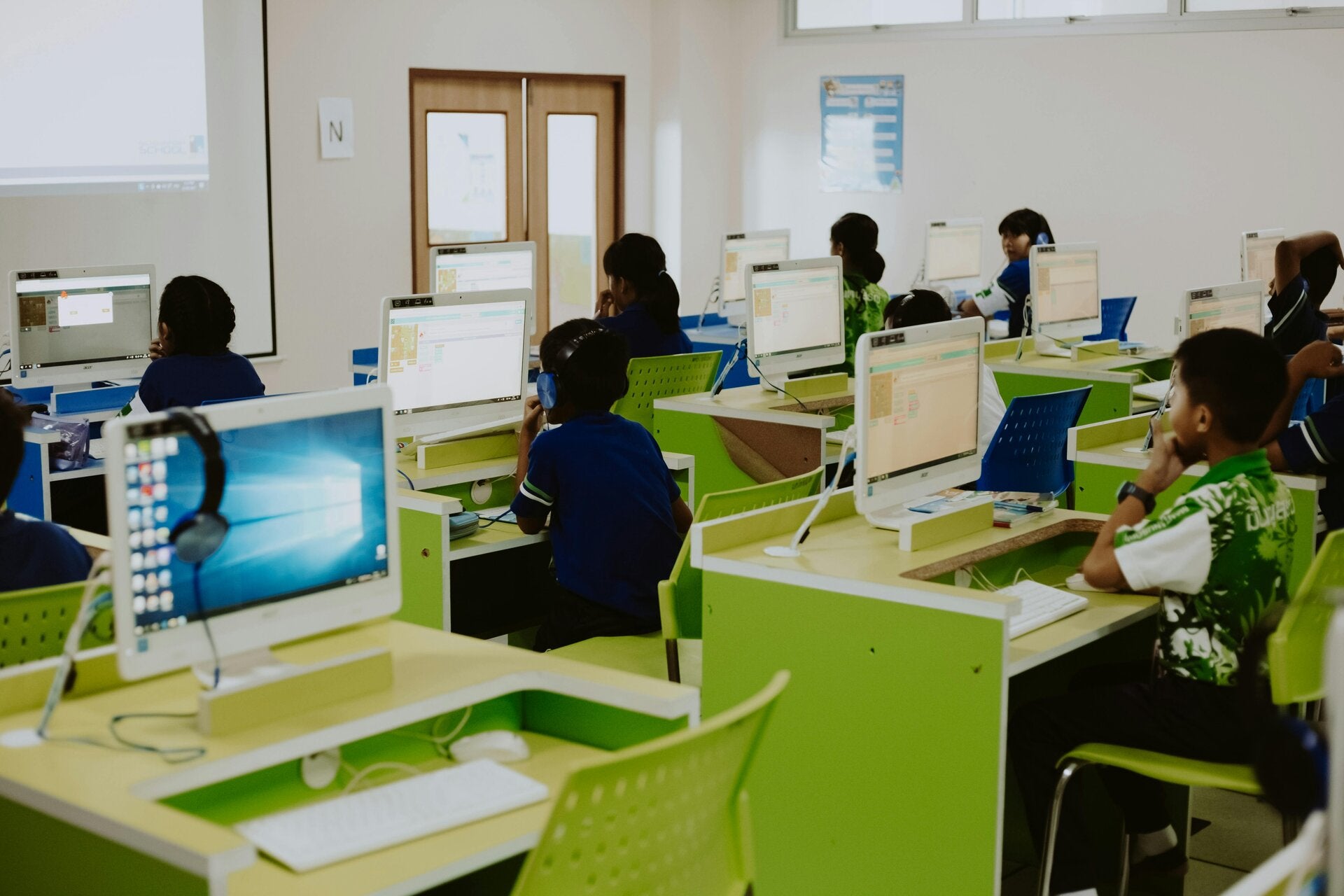
Why teachers should utilize technology
There are many factors that comes with utilizing technology in the classroom that are beneficial to teachers, such as simplified data collection, student satisfaction with learning, and meeting accommodations. Our school uses Wayground as a resource to keep students engaged during lessons, which can be used in online, hybrid, and face-to-face classroom settings. This allows teachers to "create gamified resources, conduct formative assessments, start live sessions or assign them as homework, differentiate instruction, and tap into detailed performance reports” which keep our students actively engaged throughout the class (Wayground, 2025). Technology can also provide more opportunities for creativity without needing any extra materials other than a Chromebook. For example, teachers can give assignments where students create websites, conduct research, explore digital drawing, and access many other outlets that give students more autonomy in the classroom. This makes students want to continue to attend class and motivates them to do their best.
Providing accessibility and equity for all students
Utilizing technology in the classroom provides students and teachers accessible tools for easily meet required accommodations. For example, Chromebooks can have text-to-speech and speech-to-text softwares that help students with exceptionalities with reading and writing. By using Chromebooks students will also have access to its many programs such as Google Sheets, Google Doc, Google slides, etc. to provide many ways to complete a variety of assignments. These resources can be provided in any learning environment (online, hybrid, or in-person).


Connecting families to their child's learning
Technology has also inspired many advancements in how families can access their child's grades and achievements. Through tools like Google Classroom, parents can easily access grades and resources provided by the teacher to be up-to-date on lessons, calendars, and extra learning opportunities.
Rules and Procedures for a Positive Environment
Constructive Feedback
Peer Support
Think-Pair-Share Activities
Online Discussion Posts
Breakout Rooms
Frequent Partner/Group Work
These practices help ensure a positive learning environment for students to express their knowledge in a manner that encourages participation without hesitation. When students feel safe around their teachers and peers, they are more likely to engage in class and respond with more depth.

Collaborating with Colleagues
Students rely on consistency at school to feel safe and open their minds to learning. Therefore, when teachers collaborate and agree on shared technological resources, students feel comfortable participating more and teachers build a community they can depend on.
Potential Barriers
Although technology can produce many advantages in the classroom, it also comes at a price that many underprivileged schools may not be able to afford. Schools can utilize a shared device schedule to minimize the amount of technology needed or work with their communities to fundraise for Chromebooks. Making technology a more significant part of the school day doesn’t have to be completed overnight, so administrators do not need to rush to get resources for each student immediately (Dean, 2024).
Another barrier that schools may face is the possible of personal data being exposed to the wrong audience. Current students understand technology at a much deeper level than any other generation prior, so they can learn ways impede on how teachers attempt to keep personal data private. Teachers can avoid this by password protecting websites and documents and logging out of computers when they leave the working space.
Create Your Own Website With Webador